
Mastering the Use of an HRV Monitor
- May 14
- 4 min read
Heart Rate Variability (HRV) is a powerful metric that reveals how well your body manages stress, recovers from exertion, and adapts to daily challenges. By mastering the use of an HRV Monitor, you gain access to personalized insights that can transform your approach to health, recovery, and performance. This guide will walk you through the essentials of HRV tracking, interpreting your data, and applying it to optimize your well-being.
Understanding the Value of Using an HRV Monitor
Using an HRV monitor is more than just collecting numbers. It’s about understanding the subtle signals your autonomic nervous system sends about your body's current state. HRV measures the variation in time between heartbeats, reflecting the balance between your sympathetic (fight or flight) and parasympathetic (rest and digest) nervous systems.
When you use an HRV tracker consistently, you can:
Monitor recovery after workouts or stressful events
Detect early signs of overtraining or illness
Manage stress more effectively
Optimize sleep quality
Improve overall performance and resilience
For example, if your HRV reading is lower than usual, it might indicate that your body is under stress or not fully recovered. This insight allows you to adjust your training intensity or prioritize rest, preventing burnout and injury.

How to Use an HRV Monitor for Maximum Benefit
To get the most out of your HRV monitor, consistency and context are key. Here’s a step-by-step approach:
Measure at the same time each day – ideally, take your HRV reading first thing in the morning, before getting out of bed. This reduces variability caused by daily activities.
Use a reliable device – Choose an HRV reader that offers accurate, science-backed measurements. Arm-based devices often provide more consistent data than wrist-based ones.
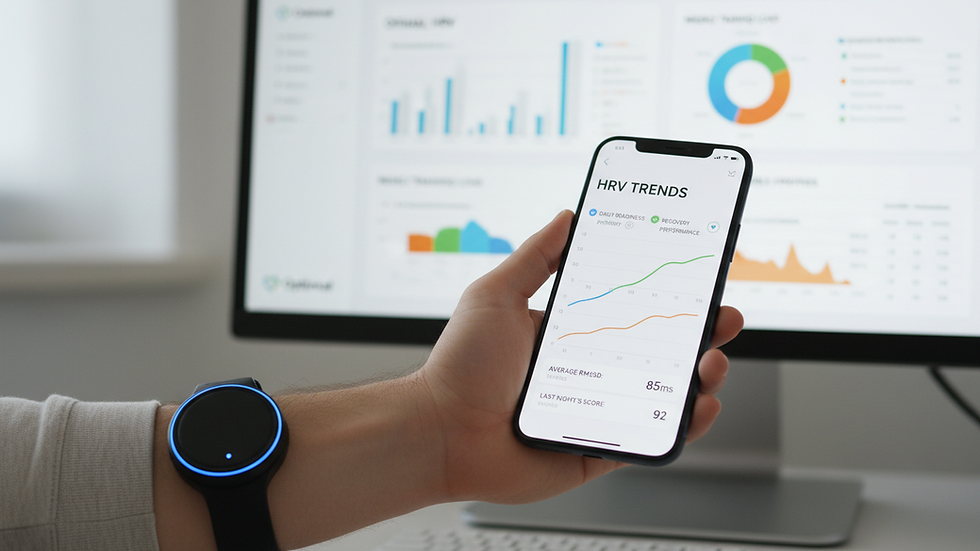
Track trends, not single readings – HRV naturally fluctuates day to day. Focus on long-term trends to understand your baseline and deviations.
Combine HRV data with other metrics – Sleep quality, mood, and training load provide valuable context to your HRV readings.
Adjust your lifestyle based on insights – If your HRV is low, prioritize recovery strategies such as light activity, meditation, or improved sleep hygiene. If it’s high, you may be ready for more intense training or challenging tasks.
For those new to this, learning how to use an HRV reader effectively can accelerate your progress by turning complex data into actionable steps.
What Should My HRV Reading Be?
HRV values vary widely among individuals due to factors such as age, fitness level, genetics, and lifestyle. Instead of aiming for a universal "ideal" number, focus on your personal baseline and how your readings change over time.
Higher HRV generally indicates better balance of the autonomic nervous system, greater resilience, and improved recovery capacity.
Lower HRV can signal stress, fatigue, or insufficient recovery.
For example, a well-trained athlete might have an HRV reading of 70-100 milliseconds, while a sedentary person might average 20-50 milliseconds. The key is to notice trends: a sudden drop in your HRV compared to your baseline is a sign to slow down or address stressors.
Tracking your HRV daily helps you build a personalized profile. Over weeks and months, you’ll learn what your normal range is and how lifestyle changes impact your autonomic balance.
Practical Tips to Improve Your HRV and Recovery
Improving your HRV is about supporting your nervous system and overall health. Here are evidence-based strategies to enhance your HRV and recovery:
Prioritize quality sleep – Aim for 7-9 hours of uninterrupted sleep. Establish a consistent bedtime routine and minimize screen time before bed.
Manage stress effectively – Incorporate relaxation techniques such as deep breathing, meditation, or yoga to activate your parasympathetic nervous system.
Stay hydrated and eat nutrient-rich foods – Proper hydration and balanced nutrition support cardiovascular and nervous system health.
Engage in regular physical activity – Moderate exercise improves HRV, but avoid excessive training without adequate recovery.
Limit alcohol and caffeine intake – Both can disrupt autonomic balance and reduce HRV if consumed in excess.
Practice mindfulness and mental wellness – Mental health directly influences HRV, so managing anxiety and depression is crucial.
By integrating these habits, you create a foundation for higher HRV, better recovery, and improved performance.
Using HRV Data to Optimize Training and Daily Life
Once you have reliable HRV data, you can tailor your training and lifestyle decisions to your body's needs. Here’s how to apply your HRV insights:
Adjust training intensity – On days with low HRV, opt for lighter workouts or active recovery. On high HRV days, push harder to maximize gains.
Plan rest days strategically – Use HRV trends to schedule rest or deload weeks before fatigue accumulates.
Monitor stress and workload – If HRV drops during a stressful period at work or home, prioritize self-care and stress management.
Enhance sleep routines – Use HRV feedback to identify nights of poor sleep and adjust habits accordingly.
Communicate with coaches or clinicians – Share your HRV data to get personalized guidance and optimize your health plan.
This data-driven approach empowers you to make informed decisions that sustainably improve your resilience and performance.
Mastering the use of an HRV reader unlocks a new level of self-awareness and control over your health and performance. By consistently tracking your HRV, understanding your personal baseline, and applying practical strategies, you can reduce stress, enhance recovery, and reach your full potential.
Embrace this science-backed tool as part of your daily routine and experience the benefits of optimized autonomic balance and improved well-being.


